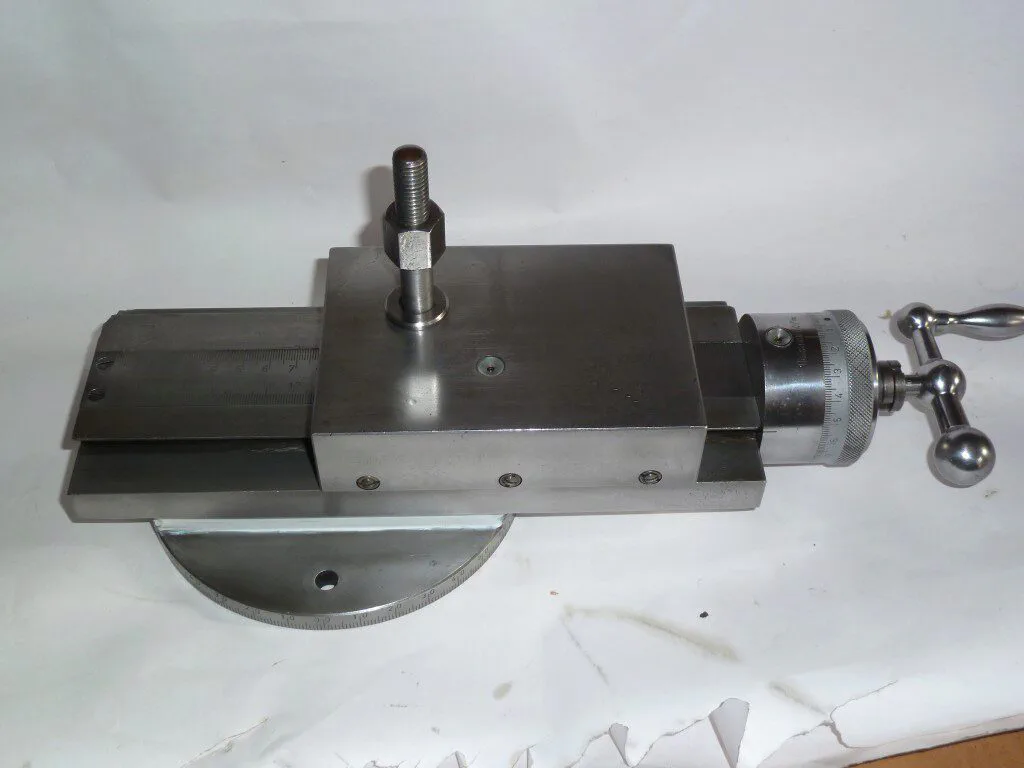
The compound rest of a Leinen lathe was inspected and subsequently overhauled. This blog entry explains the details of the restoration process.
Overhauling a Leinen Lathe Compound Rest
Before the overhaul, evaluating the adjusted compound rest revealed two main issues:
- The lead screw exhibited significant backlash that could not be reduced, likely due to a severely worn adjustable nut.
- The crank had a noticeable tight spot at a fixed point in its rotation, with no obvious initial clues as to the cause.
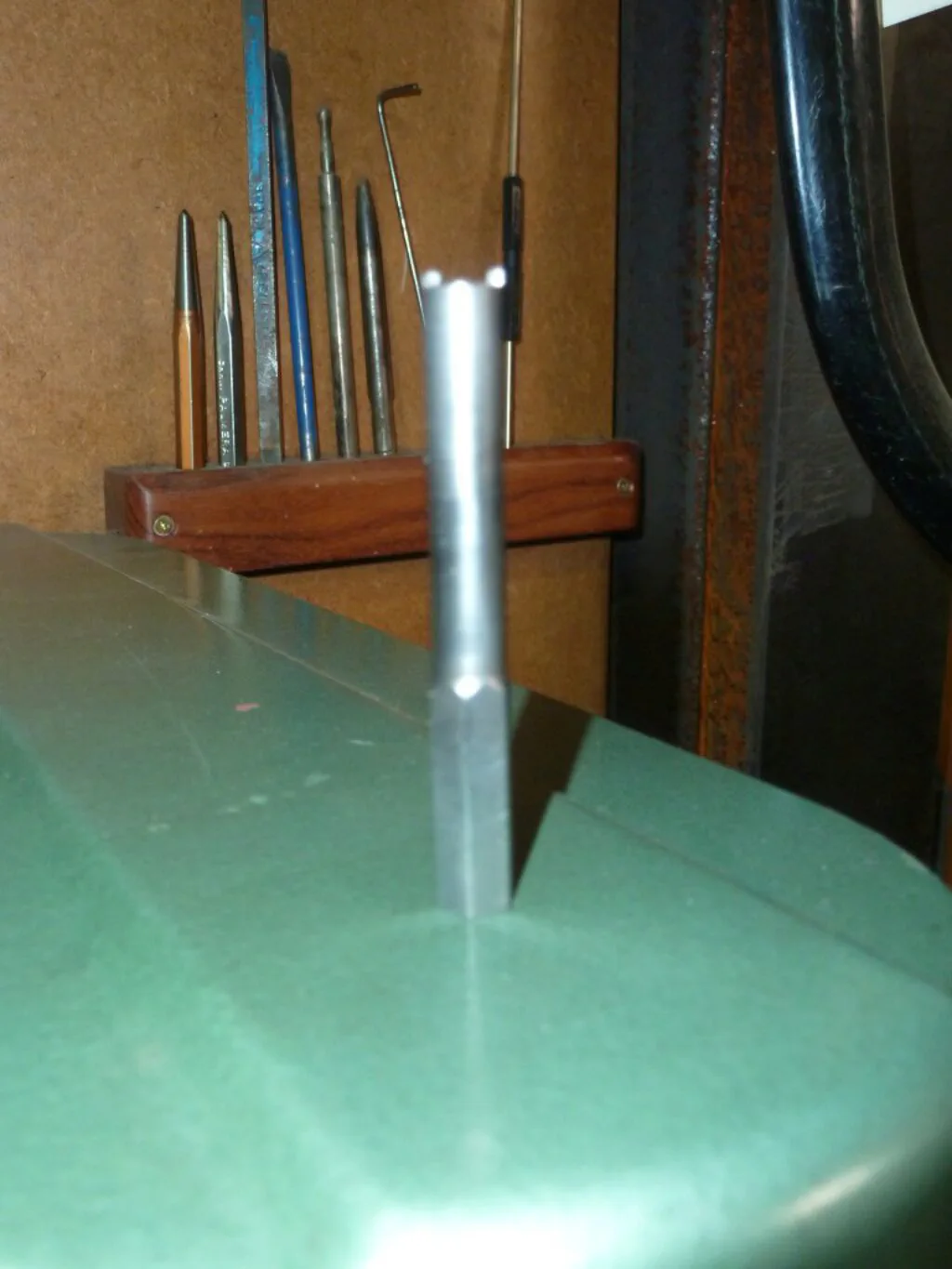
The compound rest was completely dismantled and thoroughly cleaned. First, it was necessary to fabricate a custom socket wrench to adjust the locking nuts on the compound gib. The picture below shows the finished wrench:
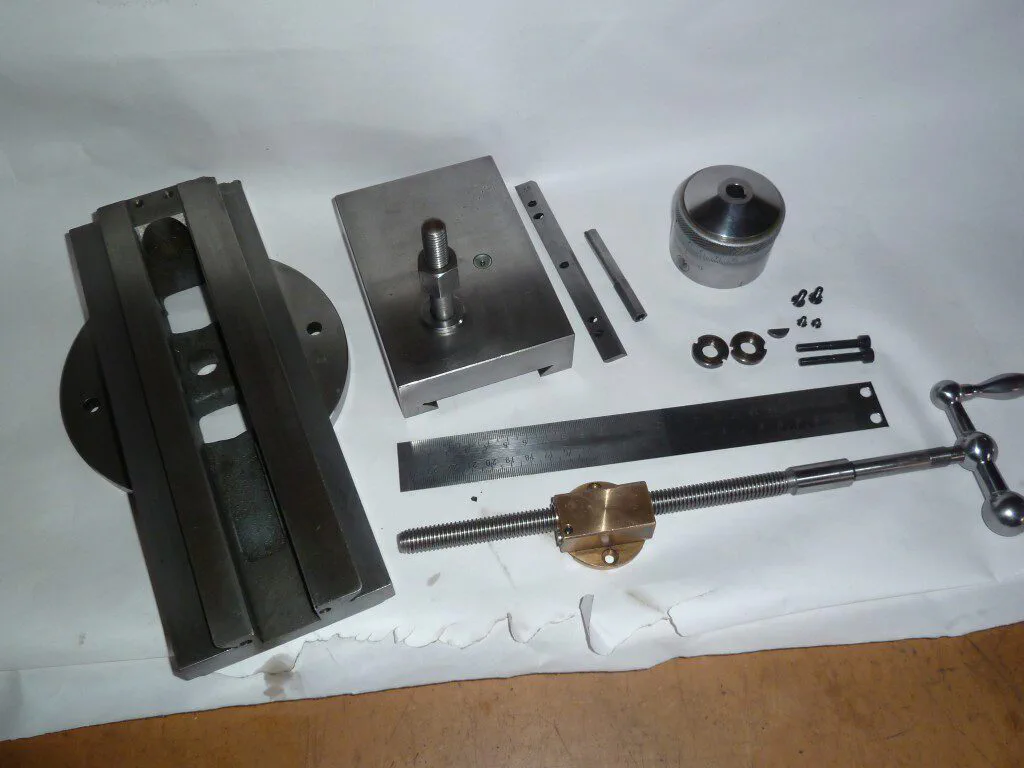
The following picture shows all the individual components that make up the compound rest assembly:
There are three notable features to highlight regarding the excellent build quality of this compound rest: the compact adjustable nut, the gib design—which is located by a pair of pins rather than being held solely by the adjusting screws as is typical—and the design of the micrometer dial block. The following pictures show these details closely:
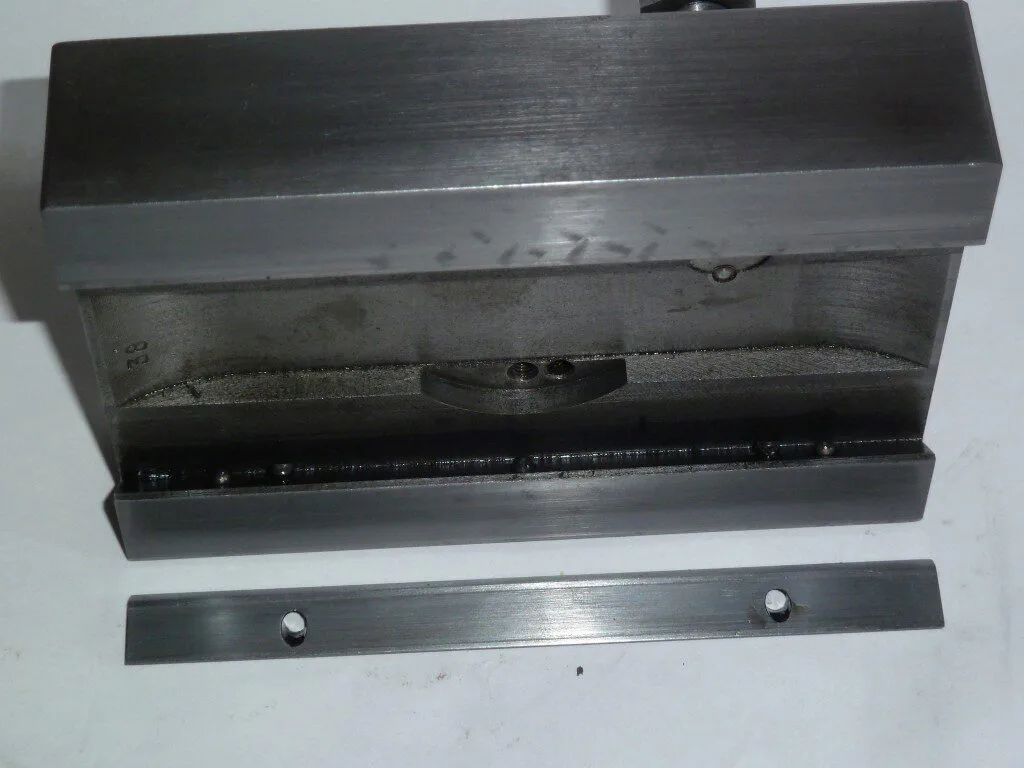
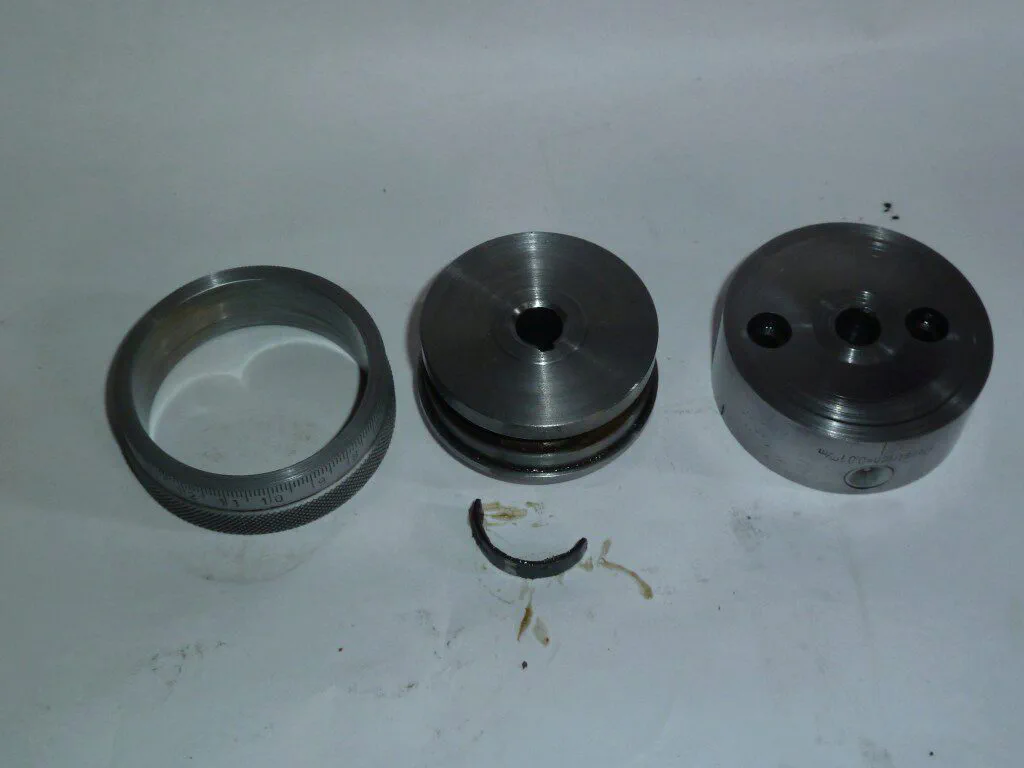
As noted, the compound slide utilizes a pair of pins to prevent the gib from shifting, relieving the adjusting screws of lateral forces. Inspection of the micrometer block revealed wear marks caused by the uneven rotation of the lead screw.
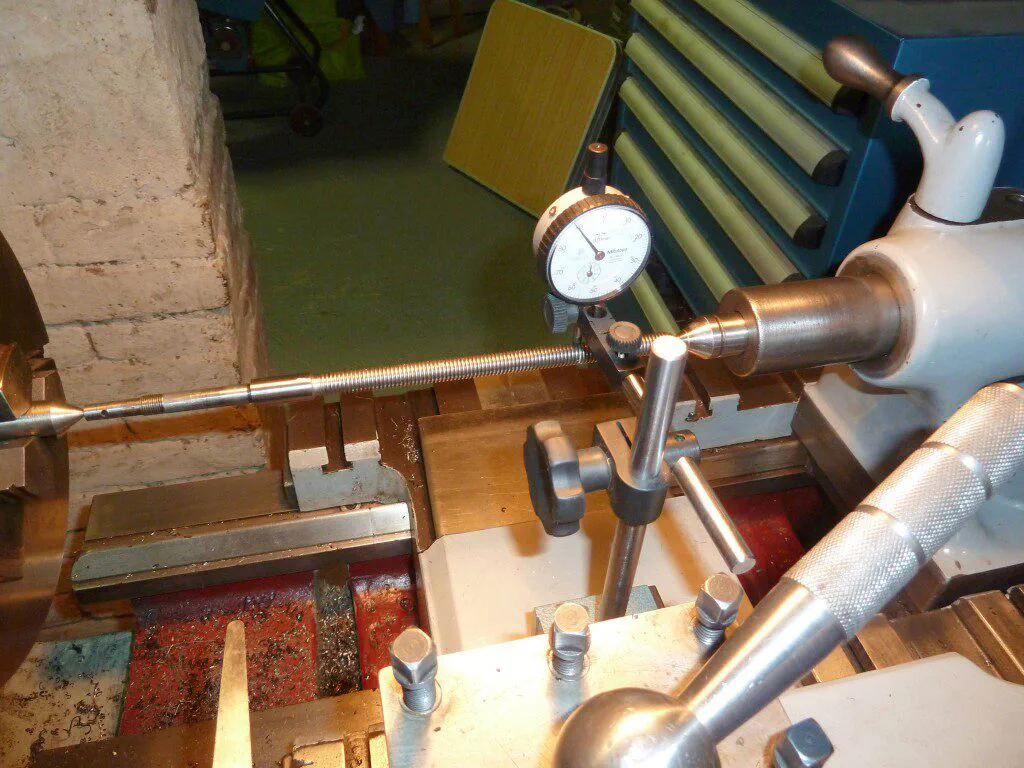
Upon analyzing the lead screw, we discovered that it was slightly bent, possibly due to excessive thrust load or an accidental impact in the past. To correct this, we mounted the screw between centers to measure the runout with a dial indicator and straightened it using a small, homemade press. Through patient adjustment, we managed to bring the maximum Total Indicator Reading (TIR) down to 0.05 mm. The following images illustrate the setup:
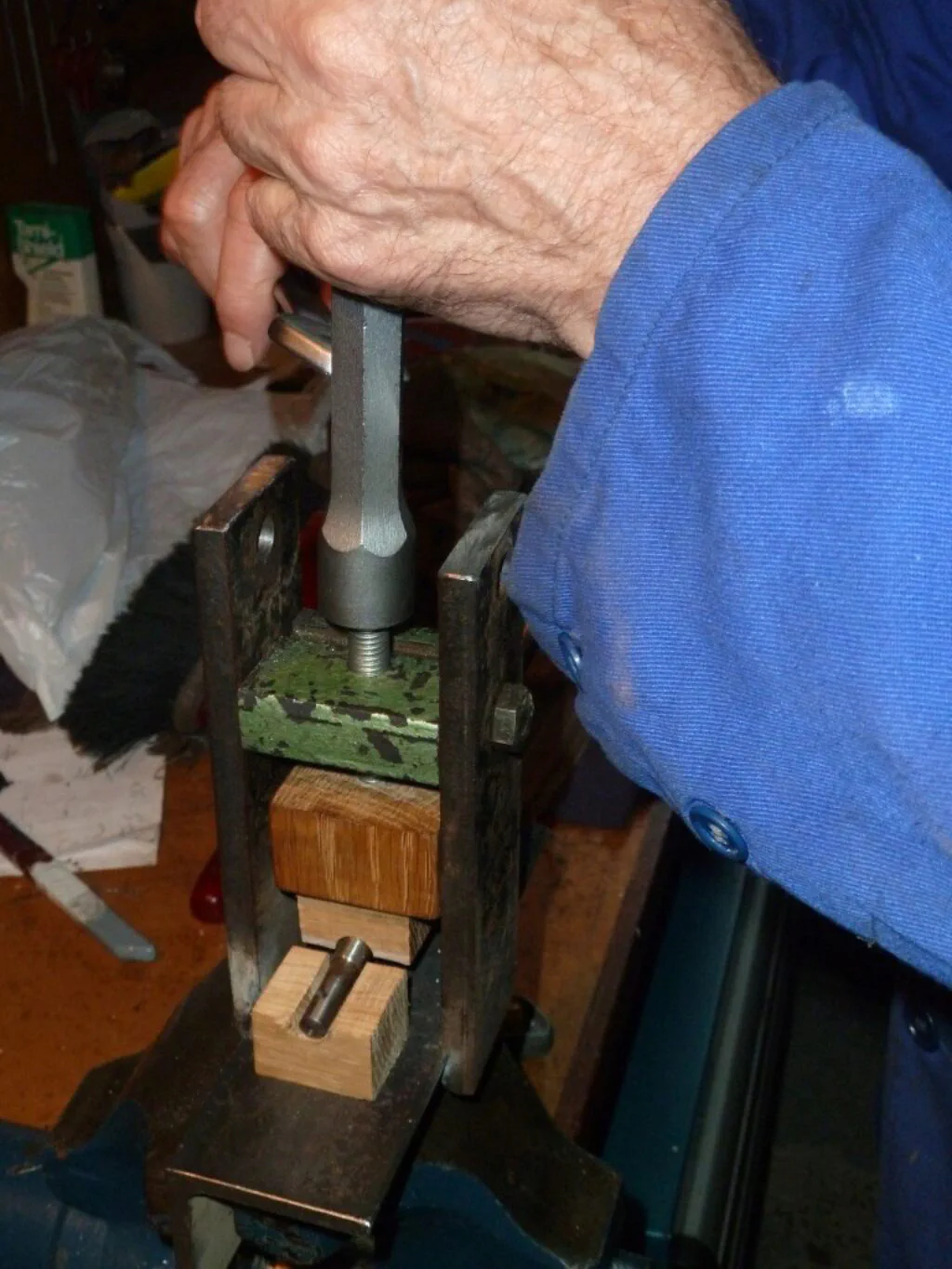
We also repaired the adjustable nut, which was severely worn. This nut consists of two parts, one of which is a movable section used to take up backlash. We machined a new movable section to replace the worn original, making it possible to properly adjust the play once again.
Finally, the compound rest was reassembled and adjusted. It now has an incredibly smooth and repeatable feel across its entire travel. The bare metal parts were cleaned with vinegar, thoroughly dried, and carefully polished using a soft buffing wheel with fine compound. This is the final result before painting: